King Edward Medical University (KEMU) Lahore: A Legacy of Excellence in Medical Education and Healthcare
King Edward Medical University formerly King Edward Medical College is one of the oldest and most respected medical institutes in Pakistan. For more than 160 years, it has been a place where students come with a dream of becoming doctors and leave as skilled, confident professionals.
KEMU is known for its strong teaching system, experienced faculty, and real hospital exposure through its attached hospitals, especially Mayo Hospital. Students don’t just study from books they observe real patients, learn practical skills, and understand what the medical field truly requires.
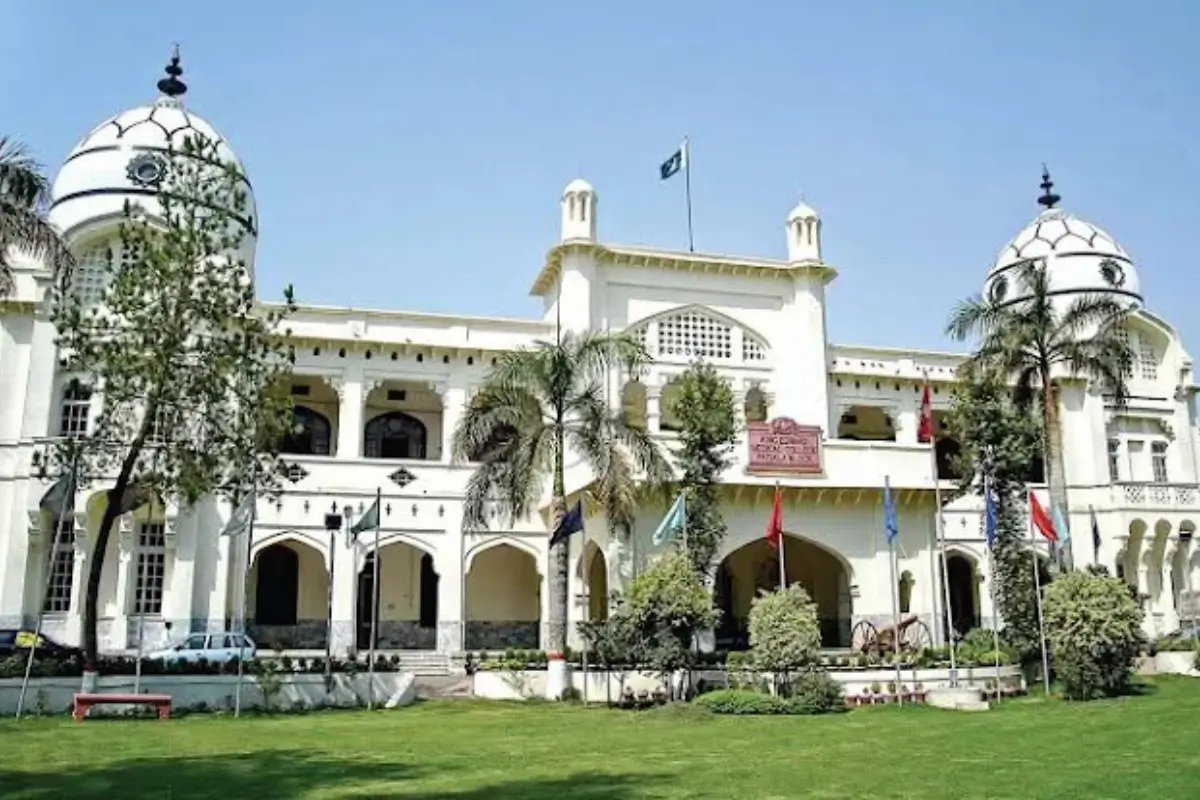
The campus has a historic charm, the environment is disciplined, and the focus is always on learning and professional growth. Because of this, KEMU has remained the first choice for many students who want quality medical education in a trusted and inspiring place.
KEMU is not just a university; it is a place that shapes students into dedicated and capable doctors.
Historical Background
The story of King Edward Medical University began in 1860, when it was first founded as the Lahore Medical School. At that time, the region needed trained doctors who could serve in hospitals and communities, so this school was created to fill that gap. Even in its early years, it became known for producing capable and hardworking medical professionals who served across the subcontinent.
Renaming to King Edward Medical College
In 1911, the institution was renamed King Edward Medical College in honor of King Edward VII. With this new name came a stronger reputation. The college became a symbol of discipline, high-quality education, and medical excellence. For decades, students from all over South Asia hoped to study here because of its strong academic standards.
Elevation to University Status
In 2005, a major change took place when the Government of Punjab upgraded the college to a full, chartered university. This upgrade allowed the institution to make its own decisions regarding:
- curriculum and teaching methods
- awarding degrees
- conducting independent research
- offering advanced postgraduate programs
King Edward Medical University Campus, Architecture & Facilities
King Edward Medical University is near Anarkali and next to Mayo Hospital. The campus is famous for its old red-brick buildings, green lawns, and historic look, which makes it feel calm and welcoming.
At the same time, it has modern classrooms, labs, and other facilities. This mix of old and new makes it easy for students to learn and grow.
Key Features
- Modern lecture halls
- Science and practice labs
- Library with books and online resources
- Seminar halls and auditoriums
- Student activity rooms and clubs
- Research spaces
- Organized departments and offices
Affiliated Teaching Hospitals
KEMU is closely connected with some of the largest, oldest, and busiest teaching hospitals in Pakistan. These hospitals are the main place where students get practical training.
Mayo Hospital
The main teaching hospital, Mayo Hospital, is one of the biggest public hospitals in South Asia. Students get experience in:
- Internal Medicine
- Surgery
- Pediatrics
- Neurology
- Radiology
- Emergency Services
Here, students do ward rounds, watch real patients, and join clinical discussions with doctors.
Lady Willingdon Hospital
This hospital focuses on Obstetrics and Gynecology. It is one of the largest maternity hospitals in Punjab and plays an important role in teaching MBBS and nursing students.
Lady Aitchison Hospital
This hospital is dedicated to maternal and newborn care. It provides great experience, especially for postgraduate students.
These hospitals give students real-life clinical experience because they see a large number of patients and many different types of medical cases.
Academic Programs & Departments
King Edward Medical University offers a variety of programs for students at every stage of their medical journey. From undergraduate courses to postgraduate and professional training, the focus is always on giving students hands-on experience, strong medical knowledge, and research opportunities, so they are ready to work confidently in hospitals and clinics.
Undergraduate Programs
- MBBS (Bachelor of Medicine & Bachelor of Surgery): A 5-year program that teaches basic medical sciences, hospital practice, professional ethics, community health, and clinical skills.
- DPT (Doctor of Physical Therapy): A 5-year course preparing students for careers in rehabilitation and physiotherapy.
- BS Allied Health Sciences: Includes areas like Medical Lab Technology, Operation Theatre Technology, Imaging Technology, Clinical Nutrition, Anesthesia Technology, and Cardiac Perfusion.
- BS Nursing & Post-RN BSN: Focuses on nursing skills, patient care, and ward management.
Other Programs Includes diplomas and technical certifications in health sciences.
Academic Departments
KEMU is organized into specialized departments that cover all aspects of medical education. These departments focus on practical training, research, and professional growth.
Basic Sciences
- Departments: Anatomy, Physiology, Biochemistry, Pharmacology, Pathology, Community Medicine, Forensic Medicine
- Students learn through labs, dissections, microscopes, and research projects.
Medicine & Allied Fields
- Departments: General Medicine, Cardiology, Neurology, Dermatology, Psychiatry, Endocrinology, Pulmonology, Gastroenterology, Nephrology, Pediatrics, Radiology
- Students take part in ward rounds, patient discussions, and diagnostic procedures.
Surgery & Allied Fields
Departments: General Surgery, Orthopedics, Neurosurgery, ENT, Ophthalmology, Urology, Cardiothoracic Surgery, Plastic Surgery, Anesthesia & ICU
Students observe surgeries, learn pre- and post-operative care, and practice surgical safety.
IT Department
Manages digital learning, online admissions, campus networking, e-learning, and telemedicine support.
Biomedical Sciences
Focuses on clinical testing, medical research methods, diagnostic tools, and equipment handling.
ORIC (Office of Research, Innovation & Commercialization)
Encourages student research, manages grants, organizes workshops, and promotes innovation.
Telemedicine Department
Provides online consultations, digital prescriptions, and teaches students to deliver remote healthcare services.
Quality Enhancement Cell (QEC)
Maintains teaching standards, updates curriculum, and ensures high-quality education.
Department of Medical Education (DME)
Trains teachers, improves examination methods, and introduces innovative teaching strategies.
Skills Lab
Students practice life support, clinical examinations, surgical skills, and emergency procedures safely.
College of Nursing
- Offers BS Nursing, Post-RN programs, and specialty diplomas
- Focuses on patient care, clinical skills, professionalism, and leadership development.
Admissions & Merit System
Admission to King Edward Medical University, especially in the MBBS program, is very competitive. To get in, students must:
- Score high in FSc (Pre-Medical)
- Score high in MDCAT
- Perform well in the JCAT (Joint College Admission Test)
- Meet the university’s merit criteria
The JCAT is a standardized test that evaluates students’ knowledge in biology, chemistry, physics, and logical reasoning. Only the top-ranked students who meet both FSc and JCAT requirements are offered seats.
This merit-based system ensures that KEMU maintains its high academic standards and admits to the most capable and prepared students.
Research, Publications & Innovation
King Edward Medical University strongly encourages research and innovation in all its departments. Both students and faculty take part in projects that cover a wide range of medical fields.
They contribute to:
- National medical journals
- Clinical trials
- Epidemiological studies
- International research collaborations
The university also publishes the Annals of King Edward Medical University, a peer-reviewed medical journal that shares important research findings with doctors and scientists around the world.
Student Life & Campus Culture
Life at King Edward Medical University is not just about studying. Despite the intense academics, the campus has a vibrant and active environment where students can explore their interests and grow personally.
Student Societies:
- Literary Society: For students who love writing, reading, and storytelling
- Debating Society: For improving speaking, argument, and public speaking skills
- Sports Society: Organizes games, competitions, and fitness activities
- Surgical Society: Focuses on surgical skills, workshops, and events
- Community Welfare Clubs: Participate in medical camps, charity, and health awareness programs
- Research & Scientific Societies: Encourage innovation, research projects, and any academic competitions
Students take part in cultural events, medical camps, awareness drives, and competitions, making campus life balanced, fun, and full of opportunities beyond classrooms
Hostels & Accommodation
King Edward Medical University provides separate hostels for male and female students. The hostels are designed to make student life comfortable and safe.
Facilities in University Hostels
- Study rooms: Quiet spaces for reading and preparing for exams
- Common rooms: For relaxing and socializing with friends
- Dining areas: Meals are provided in a clean and organized setup
- Security: Hostels have proper security to ensure student safety
Since hostel space is limited, many students also choose private hostels nearby, in areas like Anarkali, Hall Road, or Lower Mall, which offer convenient access to the university.
Location:
- H897+X5V Chowk, Nila Gumbad Rd, Neela Gumbad Lahore
Number:
Website:
Note:
“For the latest updates on admissions, programs, and important announcements, please visit the official KEMU website regularly. Staying updated will ensure you don’t miss any important information.”
Conclusion:
King Edward Medical University (formerly King Edward Medical College) is more than just a place to study medicine. It is a historic institution known for excellence and leadership. With its long legacy, experienced teachers, wide range of departments, and excellent clinical training, KEMU continues to train doctors who set high standards in healthcare both in Pakistan and abroad.
From its rich history to modern facilities and advanced medical education, KEMU remains one of the top medical universities in Pakistan, inspiring students to serve people with knowledge, skill, and compassion.
FAQS:
In 2005, the college was upgraded to a university.
Near Anarkali, next to Mayo Hospital in Lahore.
MBBS, DPT, BS Nursing, Allied Health Sciences, and postgraduate programs.
Very competitive; students need high FSc marks and a good JCAT score.
Yes, separate hostels for male and female students with study rooms, dining areas, and security.
Mayo Hospital, Lady Willingdon Hospital, and Lady Aitchison Hospital.